
The Joint Protection Habit That's Working Against You

If your knees or hips have started talking to you more than they used to, you're not alone... and the instinct is to do less. Rest them. Baby them. Wait for the ache to calm down before you get back under a bar or back on your feet.
New research says that instinct, understandable as it is, is often the wrong move.
A landmark Cochrane review, the gold standard for evaluating medical evidence, looked at all the research on exercise and knee osteoarthritis and found something worth repeating: exercise reduces pain and improves function about as well as anti-inflammatory medication, without the side effects. University of Canberra researchers recently laid out the "why" behind that finding. Cartilage doesn't have its own blood supply, so it depends on movement to circulate the joint fluid that feeds and cushions it. Sitting still doesn't protect your joints. It starves them.
There's a second piece too. As we age, our sense of joint position (called proprioception) gets a little less sharp. Your brain has a harder time telling your knee or hip exactly where it is and how much weight it's bearing, which lets wear happen unevenly. The fix isn't complicated: exercising on varied, gently uneven surfaces... walking on grass instead of pavement, practicing standing on one leg... forces those joints to keep communicating with your brain and stay engaged.
What This Means for You
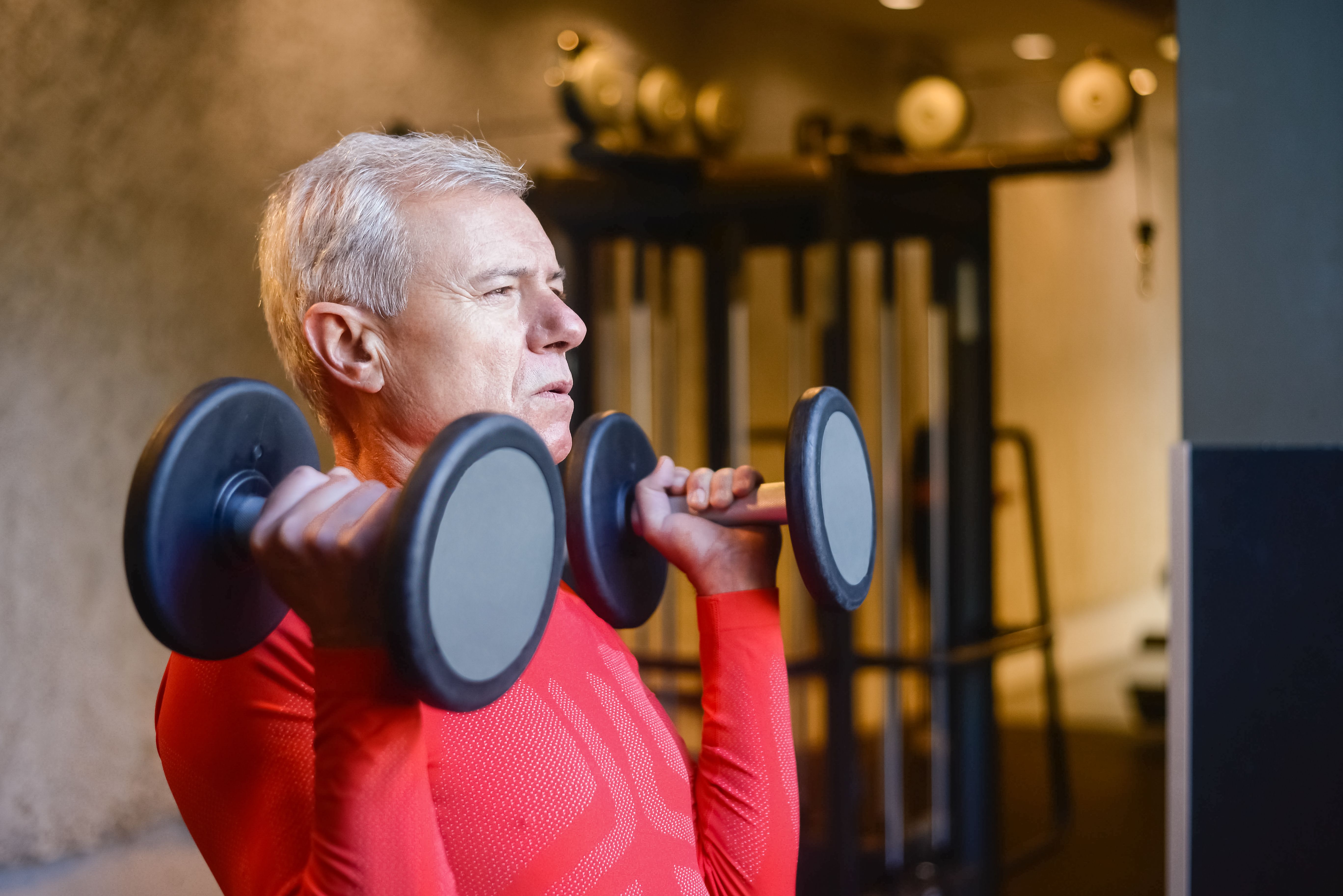
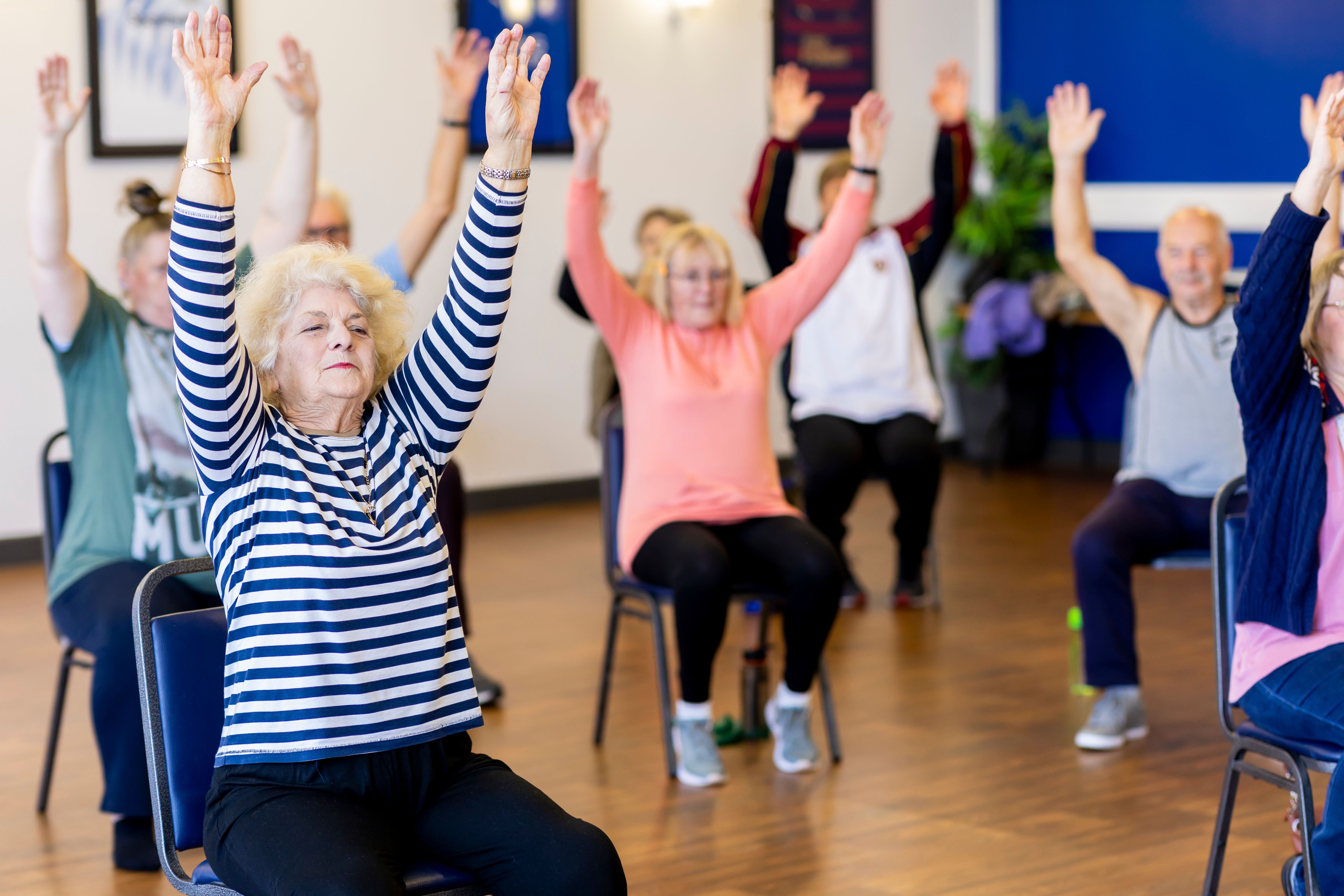
This is where ADD comes in. You don't need Ambition that looks like a marathon or Dedication that means daily CrossFit. You need small, honest Discipline... ten minutes a day of the right kind of movement. Walk on the grass instead of the sidewalk when you can. Practice standing on one leg while you brush your teeth, near a counter for support. If knee osteoarthritis is part of your story, strengthening the quadriceps specifically has some of the best evidence behind it for cutting pain.
And if you've never trained this way before, start on firm ground, use support, and talk to your trainer before adding instability or load. This isn't about pushing through pain. It's about giving your joints the movement they actually need to stay healthy.
The Takeaway
Protecting your joints by moving less is one of the most common, most understandable mistakes people make as they age. The research says the opposite works better... move more, move smarter, and let your joints do the job they were built for. That's not recklessness. That's Discipline pointed in the right direction.
Source: “The common mistake that could make aging joints hurt more,” via ScienceDaily (August 16, 2026).

Comments