
Two Kinds of Exercise, Half the Diabetes Risk

A new nine-year study out of Australia just handed us one of the clearest "why" statements we've had in a while for how we program at ADDICTED.
Researchers followed more than 8,000 Brisbane adults, ages 40 to 64, for almost a decade. They checked in five separate times, tracking who did aerobic exercise, who did strength training, who did both, and who did neither. Then they watched what happened to those people's health over the years that followed.
The results are hard to argue with. Adults who did both aerobic and muscle-strengthening exercise had a 50% lower rate of type 2 diabetes, a 24% lower rate of hypertension, and a 23% lower rate of cancer compared to adults who did neither. Not a small edge... a real one.
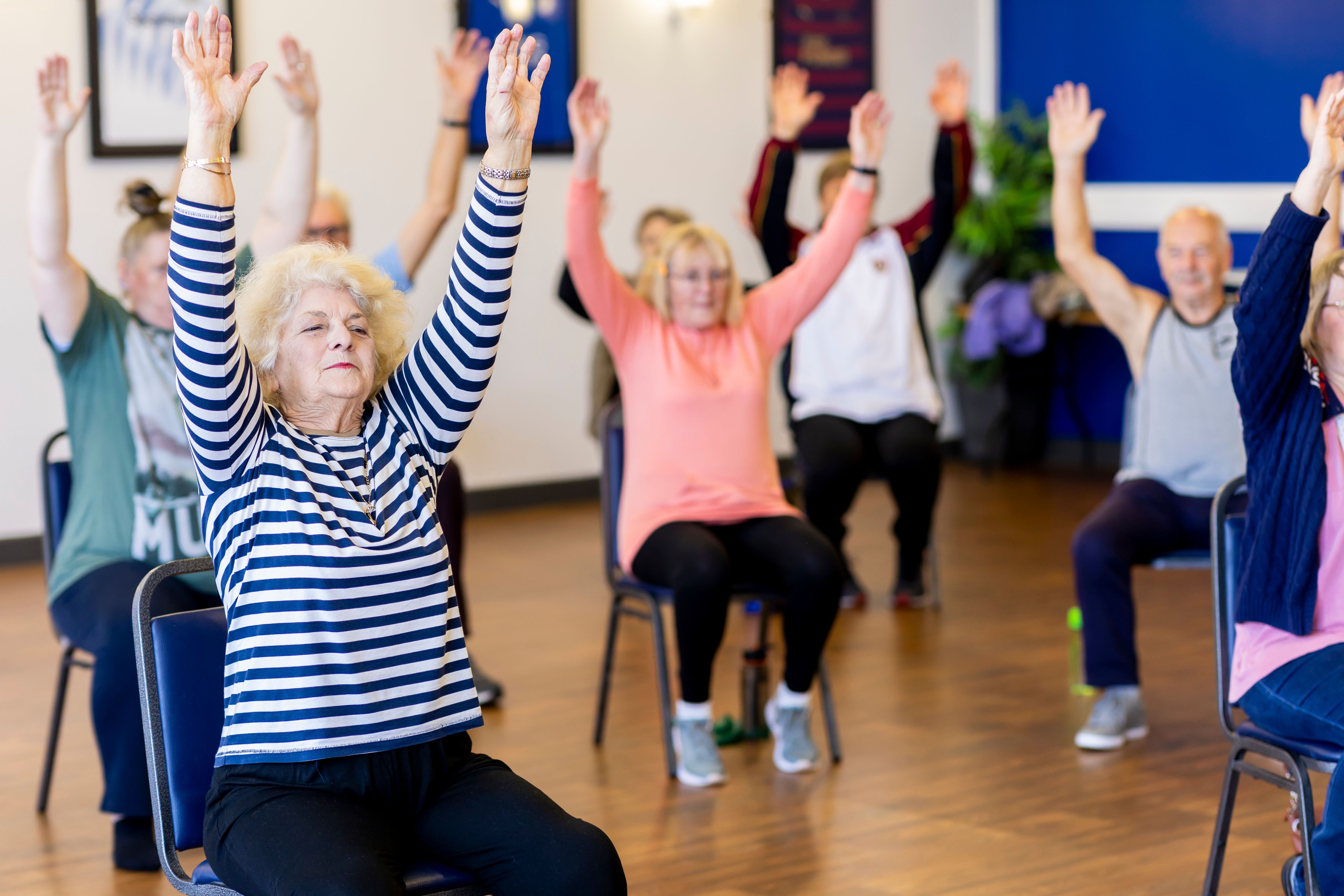
Here's the part that stopped me, though. Only about a quarter of the people in the study were doing both. Most of the ones who exercised at all were sticking to cardio alone. Walking, cycling, that kind of thing. Good, but incomplete.
What This Means for You
If you're one of our clients managing blood pressure, watching your blood sugar, or just trying to stay ahead of what runs in your family... this study is basically confirmation that you're doing the right thing by showing up for both sides of your program. The cardio matters. The strength work matters just as much, and the combination is where the real protection lives.
This is Ambition, Dedication, and Discipline in its most literal form. Ambition to want more than just "getting some exercise in." Dedication to show up for the strength session even when the treadmill feels like the easier lane. Discipline to keep both pieces in your week, week after week, long enough for your body to actually change.
If you've been leaning hard into one and skipping the other... this is your nudge. Not to overhaul everything overnight. Just to ask your coach how to add the piece that's missing.
The Takeaway
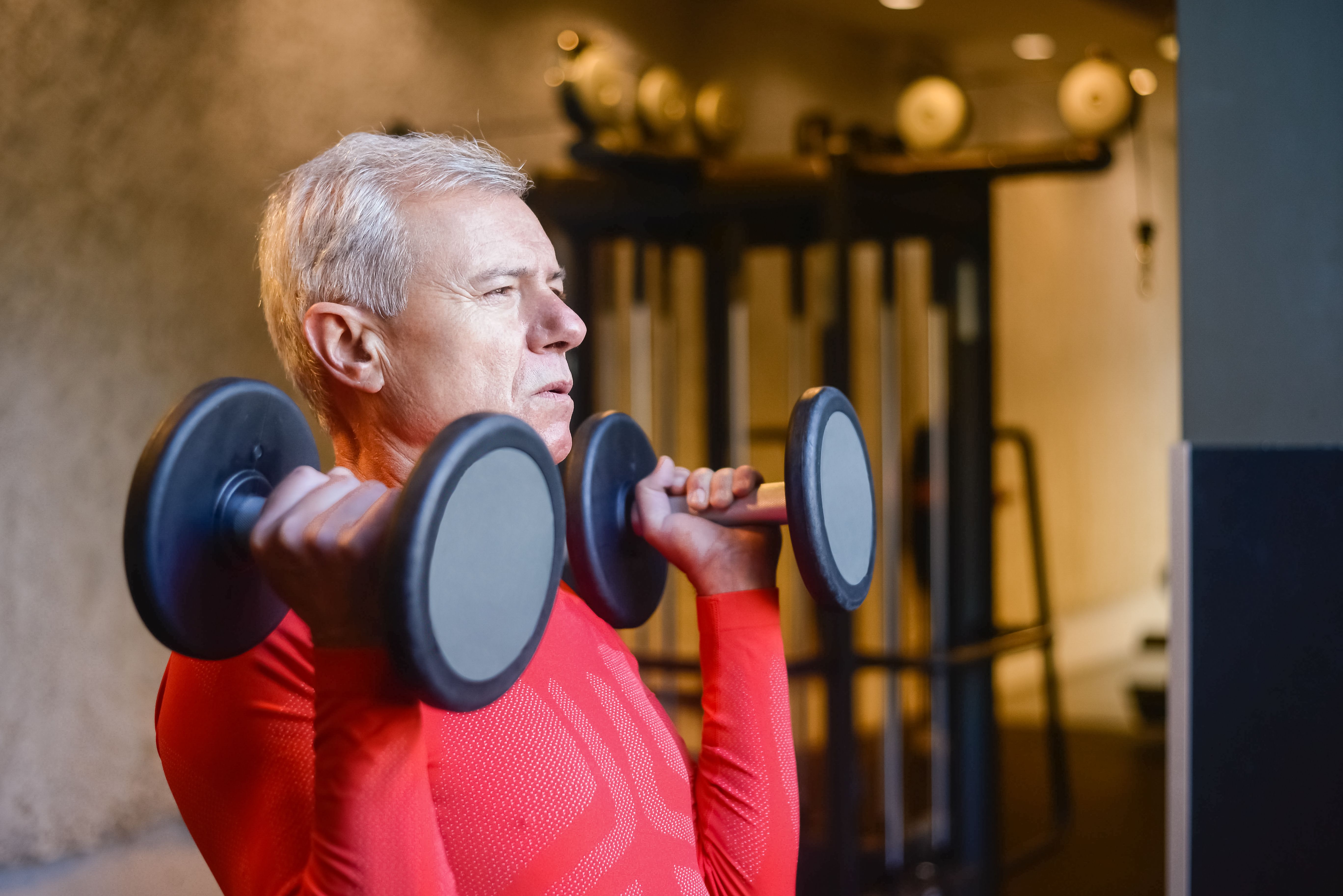
You don't need to choose between lifting and moving your heart rate up. The data says you need both, and the payoff isn't cosmetic... it's a meaningfully lower risk of some of the conditions we worry about most as we get older. That's the whole point of what we build here. Not just a workout. A real, lasting change.
Source: The University of Queensland, "Strength training exercise a vital part of chronic disease prevention," published in the Journal of Science and Medicine in Sport (August 2026).

Comments